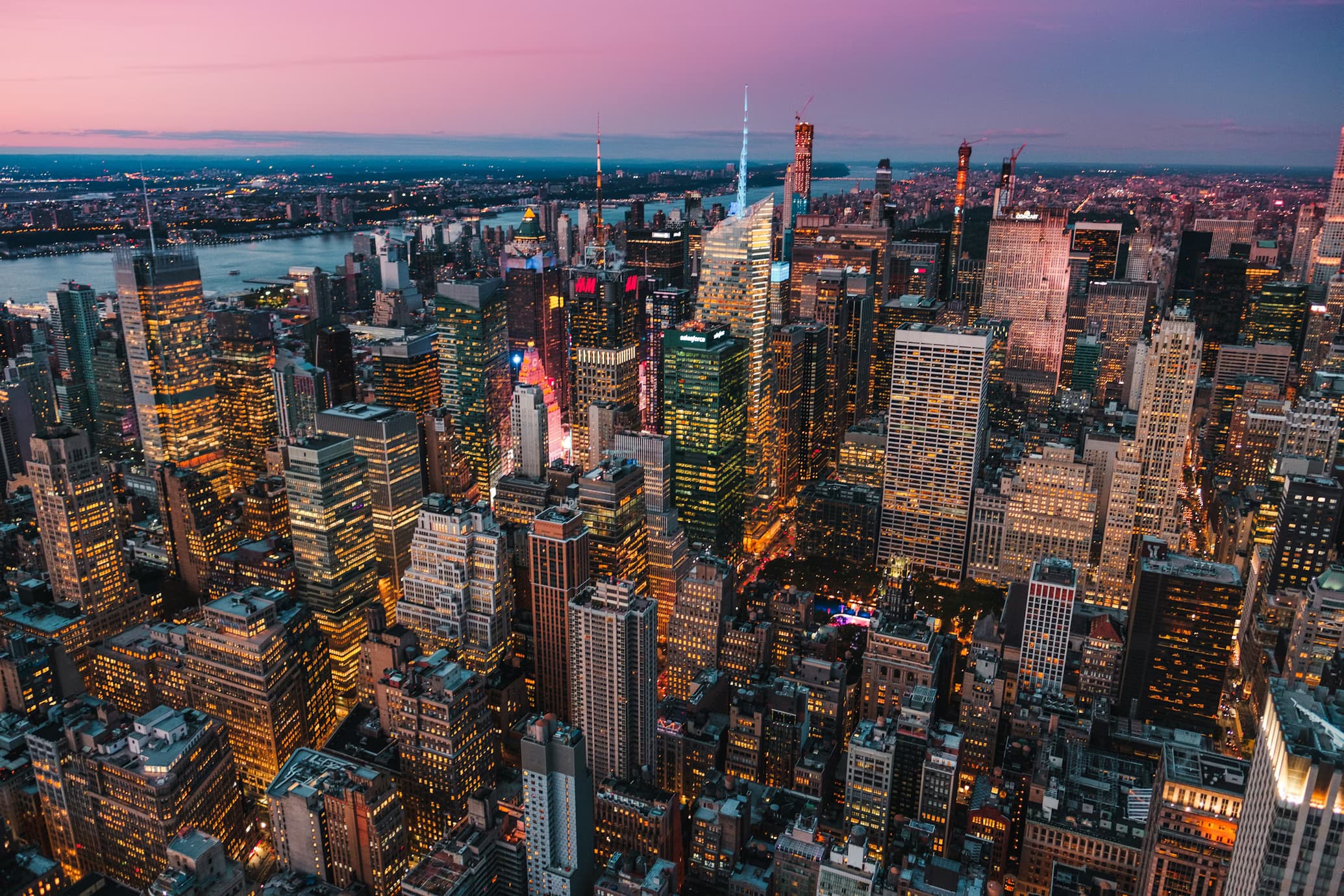
Study in United States
from Nepal
# The land of opportunity and global leader in research and innovation.
Country guide
For Nepali students, the US is strongest when you want flexible degree structures, active research culture, STEM OPT work rights, and assistantship funding. Effective 12 Jan 2026, all nonimmigrant visa applicants from Nepal require an in-person F-1 interview at the U.S. Embassy in Kathmandu. EIEC coaches students on DS-160 filling, funding narratives, and mock interview prep.
Top Universities in United States
Harvard University
Stanford University
University of California
University of Washington
Columbia University
Yale University
University of Pennsylvania
University of Chicago
Princeton University
Why study in United States?
STEM OPT (Up to 3 Years)
STEM degree graduates receive 12 months OPT plus a 24-month STEM extension to work in the U.S.
Graduate Assistantships
Graduate students can secure Research (RA) or Teaching (TA) assistantships offering full tuition waivers and stipends.
Flexible Curriculum
Customize your majors/minors, transfer credits, or transition through community college pathways.
In-Person Embassy Coaching
EIEC provides rigorous mock interview training tailored to U.S. Embassy Kathmandu expectations.
Popular Courses in United States
Computer Science & IT
Software Engineering, AI, Data Science, and Cyber Security.
Business & Management
MBA, Finance, Marketing, International Business, and Analytics.
Engineering
Mechanical, Civil, Electrical, and Mechatronics Engineering.
Health & Medicine
MBBS, Nursing, Public Health, and Biotechnology.
Law & Politics
International Law, Corporate Law, and Political Science.
Arts & Design
Architecture, Graphic Design, Fashion, and Media Studies.
Costs & Scholarships
Cost Breakdown
Scholarships
Graduate Assistantships (TA/RA)
Tuition Waiver + StipendTeaching and research positions offering monthly living stipends and full/partial tuition waivers.
Fulbright Foreign Student Program
Fully FundedUS Government scholarship covering tuition, flights, stipend, and health insurance.
University Merit Scholarships
$5,000 - $30,000/yrAutomatic or application-based awards based on GPA, SAT, or GRE scores.
Calculate Your Exact Budget
Use our powerful suite of 5+ free tools to calculate living costs, search universities, write your SOP, and build your resume.
Visa Process
Secure Form I-20
Submit academic transcripts and 1st year financial proof to receive Form I-20 from your SEVP-certified institution.
Pay SEVIS I-901 Fee
Pay the mandatory $350 SEVIS fee online at fmjfee.com and save the official receipt.
Complete DS-160 & Book Interview
Fill out the online DS-160 application (including 5-year social media handles), pay $185 MRV fee, and book your in-person interview at U.S. Embassy Kathmandu.
EIEC Mock Interview Training
Participate in intensive mock interviews at EIEC to practice answering funding, study intent, and return-ties questions confidently.
Need expert student visa filing support?
Our visa team provides detailed documentation checklists, financial proof reviews, and embassy mock interviews.
Entry Requirements for United States
Academic Criteria for United States
- Undergraduate: 10+2 high school diploma with strong GPA. SAT/ACT optional at many universities.
- Postgraduate: 4-year Bachelor's degree (or 3-year with WES/credential evaluation). GRE/GMAT per program requirement.
- GPA: 2.75 - 3.2+ on a 4.0 scale generally preferred.
Frequently Asked Questions
What is the cost of studying in the USA from Nepal?
Tuition fees range from $20,000 to $60,000 per year. Public universities are generally cheaper than private ivies. Living expenses average $10,000–$15,000 per year.
Do I need SAT/GRE/GMAT to study in the USA?
Many universities have become test-optional for the SAT/ACT. For master's programs, GRE/GMAT is often required for STEM and MBA programs, though waivers are common.
Can Nepali students work in the USA?
F-1 visa students can work on-campus for up to 20 hours a week during the semester. After graduation, you can apply for OPT (Optional Practical Training), which allows you to work for 1 to 3 years.
Explore Other Study Destinations
Learn about tuition fees, intakes, document checklists, and student visa processes for other top-tier destinations from Nepal.